

When a Broker Trades Without Your Permission
Key Takeaways: Unauthorized trading in a Pennsylvania brokerage account is generally illegal and can expose a broker to regulatory discipline and civil liability. Whether a trade is unauthorized depends on your account type, non-discretionary accounts require approval for each trade, while discretionary accounts grant written authority. Brokers must meet a best-interest standard under Regulation Best Interest, while investment advisers owe a fiduciary duty. FINRA and the Pennsylvania Department of Banking and Securities enforce broker conduct rules, with penalties including fines, suspensions, bars, and restitution. Because regulatory complaints don’t guarantee recovery, investors often pursue compensation through FINRA arbitration or civil litigation. Prompt action and preserved documentation are essential.
Unauthorized trading in a Pennsylvania brokerage account is generally illegal and can expose the broker to regulatory discipline and civil liability. When a broker buys or sells securities without your consent or proper written authority, that conduct may violate industry standards. Investors in Newton Square and across Pennsylvania have real options when unauthorized trades appear on statements.
If unauthorized activity has affected your portfolio, the team at Kaskela Law is prepared to review your situation. You can contact us now or call 484-229-0750 to discuss your concerns about brokerage account fraud.
💡 Pro Tip: Save every account statement, trade confirmation, and email from your broker. A clear paper trail showing you never authorized a transaction is often the strongest starting point for any unauthorized trades claim.
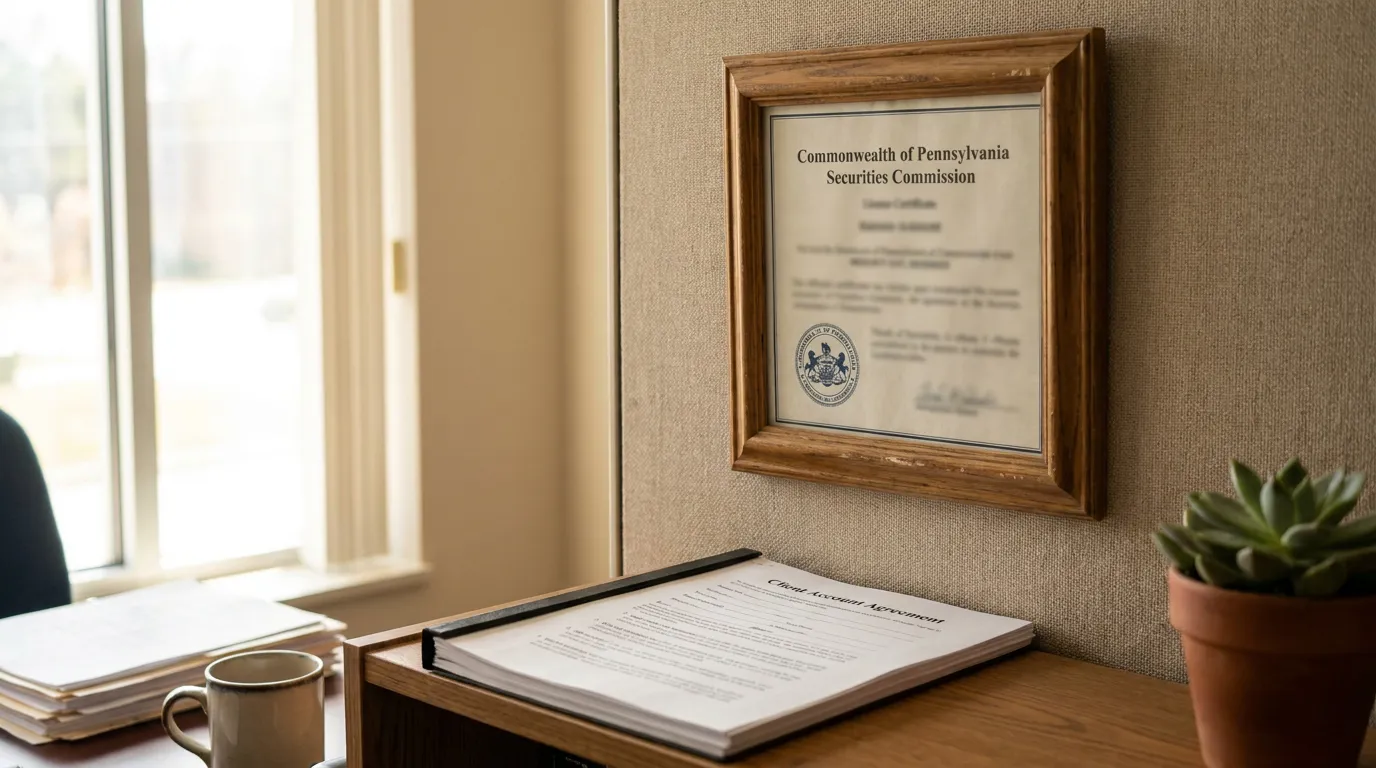
Understanding Unauthorized Trading Under Pennsylvania Law
Unauthorized trading occurs when a broker executes transactions without the client’s permission or discretionary authority. Securities activity in Pennsylvania is governed by the Pennsylvania Securities Act of 1972, administered by the state Department of Banking and Securities. You can review the governing law through the state’s official listing of Pennsylvania securities statutes.
The regulatory framework in Pennsylvania is comprehensive, reaching most securities offered in the Commonwealth. Under state law, securities generally must be registered with the Department of Banking and Securities unless an exemption applies, reflecting a policy of oversight designed to protect investors from misconduct.
Whether a trade is "unauthorized" depends on the facts and your account agreement. In a non-discretionary account, the broker must obtain your approval before each transaction. In a discretionary account, you may have granted written authority allowing the broker to act without prior approval. These distinctions turn on documents and communications, so outcomes depend on specific circumstances.
The Duties a Broker Owes You
Brokers owe enforceable duties to clients, and breaching those duties can create liability. If a broker fails to abide by the duty owed, that person may be liable for negligence. This explains why unauthorized trades can expose a broker to legal claims.
Fiduciary Duty Versus Suitability
The standard of care varies depending on the type of financial professional. Investment advisers owe a fiduciary duty requiring them to place clients’ interests first. Brokers historically owed a suitability duty and, since June 30, 2020, must comply with the SEC’s Regulation Best Interest, which requires acting in a retail customer’s best interest when making recommendations, a heightened standard akin to, but not identical to, a fiduciary duty. Unauthorized trading can implicate either standard.
Why the Distinction Matters for Investors
Understanding which duty applies helps investors evaluate potential broker misconduct PA regulators take seriously. A trade no one authorized may fall short of applicable suitability, best-interest, or fiduciary standards. These are fact-sensitive questions requiring review of account documents, communications, and relationship nature.
💡 Pro Tip: Ask your broker for a copy of your account agreement and note whether it is labeled "discretionary" or "non-discretionary." That single detail often shapes whether a transaction was permitted.
How Regulators Respond to Broker Misconduct in Pennsylvania
Both a national regulator and a state agency oversee broker conduct affecting Pennsylvania accounts. FINRA investigates and disciplines brokers for rule violations such as unauthorized trading. FINRA investigates potential securities violations and, when appropriate, brings formal disciplinary actions against firms and their associated persons. Learn more about the FINRA enforcement process.
FINRA can pursue discipline through two procedures. It may resolve matters by settlement through an Acceptance, Waiver and Consent letter, or proceed through a litigated hearing before the Office of Hearing Officers. When violations are minor with no customer harm, matters may be resolved informally through a Cautionary Action.
Penalties for serious broker misconduct can be significant. Sanctions include fines, suspensions, bars from FINRA membership, and restitution orders to harmed investors. The table below summarizes common outcomes.
| Type of Response | When It May Apply | Possible Result |
|---|---|---|
| Cautionary Action | Minor violation, no customer harm | Informal resolution |
| AWC Settlement | Broker and FINRA agree | Fines, suspensions, restitution |
| OHO Litigated Hearing | Contested matter | Fines, suspension, or a bar |
Investors can research a broker’s disciplinary history. Formal FINRA disciplinary actions from 2005 onward are publicly searchable under Rule 8313, and barred individuals are listed publicly. Reviewing this history can help evaluate a FINRA claim Pennsylvania regulators might recognize.
The Pennsylvania Securities Fraud Lawyer and Your State Complaint Options
Pennsylvania maintains a dedicated state regulator for investor concerns about financial professionals. The Department of Banking and Securities has statutory authority over the securities industry and jurisdiction over broker-dealer misconduct in the Commonwealth. Its Consumer Services Office helps consumers with concerns, and complaints may be filed through the DoBS Portal or by calling 1 (800) PA-BANKS.
The state complaint process is separate from civil lawsuits and has limitations. The Department encourages consumers to first attempt resolution directly with the financial institution and aims to respond within 10 days. The Department cannot provide legal advice, and resolution is not guaranteed. For investors believing unauthorized trades warrant legal action, the Department refers them to the Pennsylvania Bar Association for attorney referrals.
Administrative complaints do not replace private legal remedies. A regulatory filing may prompt investigation but doesn’t automatically recover losses. Working with a knowledgeable securities fraud attorney Newton Square investors trust can help you understand how state complaints, FINRA claims, and civil actions may fit together.
💡 Pro Tip: You can file a state complaint and still pursue private options. Just remember that an agency complaint and a civil claim follow different timelines and serve different purposes.
Practical Steps to Protect Your Investor Rights
Acting promptly and methodically can strengthen your position after suspected unauthorized trading. Investor rights Pennsylvania law recognizes are most effective when supported by documentation and timely action. The following steps often help:
- Review every statement and confirmation to identify unauthorized trades.
- Notify your brokerage firm in writing that specific transactions were unauthorized.
- Preserve emails, texts, and notes of calls with your broker.
- Consider filing complaints with state or national regulators.
- Speak with counsel about options for investment loss recovery PA claims may support.
Deadlines are critical and often overlooked. Civil statutes of limitations, regulatory filing windows, and arbitration deadlines are distinct. Courts generally interpret exceptions to filing deadlines narrowly. Doctrines that may extend deadlines, such as discovery rules, don’t apply automatically. Evaluate timing early.
To understand how these principles connect to broader misconduct claims, read about securities fraud under Pennsylvania law.
Frequently Asked Questions
1. Is unauthorized trading always considered securities fraud?
Not necessarily, classification depends on the facts. Unauthorized trading may support claims for negligence, breach of duty, or rule violations, and sometimes forms part of broader fraud claims. Whether conduct rises to fraud is a fact-sensitive question evaluated case by case.
2. Can I recover my losses through a regulatory complaint alone?
A regulatory complaint may prompt investigation but doesn’t guarantee recovery. The Department of Banking and Securities cannot provide legal advice and offers no guarantee of resolution. Private legal options, including FINRA arbitration, are often how investors seek compensation.
3. How can I check whether my broker has a disciplinary record?
Public records make broker histories accessible. Formal FINRA disciplinary actions from 2005 forward are searchable under Rule 8313, and barred individuals are listed publicly. Reviewing this information can help evaluate concerns about brokerage account fraud.
4. What is the difference between a broker and an investment adviser here?
The two roles historically owed different standards of care. Investment advisers owe a fiduciary duty requiring them to put clients first, while brokers owed suitability duties and, since June 30, 2020, must meet a best-interest standard under Regulation Best Interest when making recommendations to retail customers. Unauthorized trading can implicate either standard.
5. Should I contact my brokerage firm before filing a complaint?
In many cases, that’s a reasonable first step. The Department of Banking and Securities encourages consumers to first attempt resolution directly with the financial institution. If that fails, regulatory and legal options remain available, subject to applicable deadlines.
Moving Forward After Unauthorized Trades
Unauthorized trading in a Pennsylvania account is generally impermissible, and investors have recourse when it happens. Between the Pennsylvania Securities Act of 1972, oversight by the Department of Banking and Securities, and FINRA’s enforcement authority, multiple layers of protection exist for harmed investors. Outcomes depend on specific facts, account documents, and claim timing. A dedicated Newton Square Pennsylvania securities fraud lawyer can help you weigh administrative complaints, arbitration, and civil litigation as you consider Securities Fraud Litigation in Newton Square Pennsylvania. To see how a pennsylvania securities fraud lawyer approaches investor claims, review the firm’s investment loss recovery PA matters.
If you believe a broker made unauthorized trades in your account, the attorneys at Kaskela Law are ready to evaluate your options. Reach out through our secure contact form or call 484-229-0750 today to protect your rights.